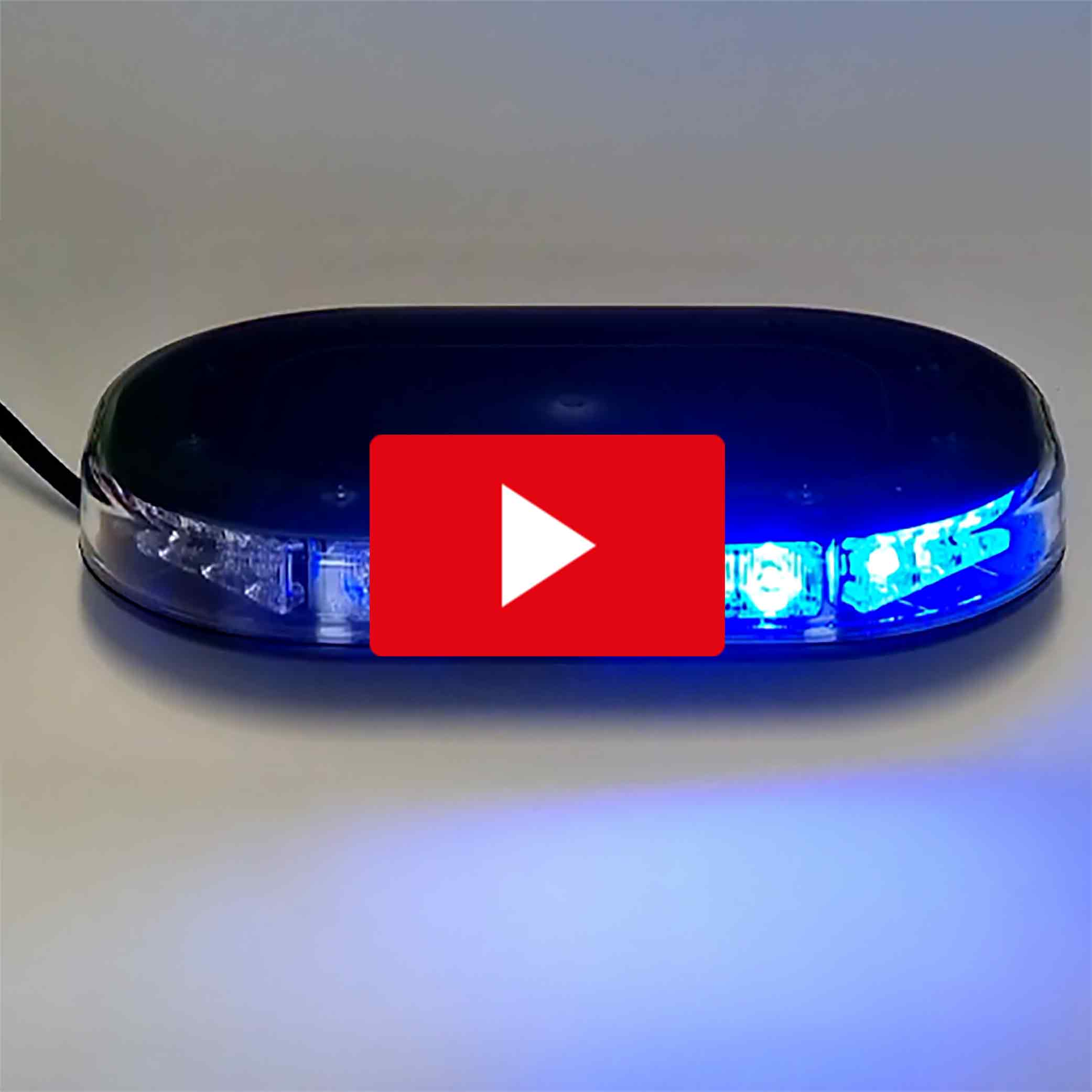
Ready to order? Shop our full range online at our new TransQuip, Guardian e-commerce store. Shop Now.

What Do Different Colour Flashing Lights Mean on Vehicles
Getting the Light Right
Flashing coloured lights send a clear signal on the road or worksite. They tell people to slow down, pull over, stop, or keep clear.
You see them every day across New Zealand on highways, construction sites, farms, and industrial yards. They help keep people safe and allow emergency services and work crews to do their jobs.
Richard Townshend from the TransQuip team explains what the different colours mean, where they’re used, and when they should be fitted to vehicles. He also answers some of the questions we’re asked most often.
Watch the video or read the details below.
What Are the Rules on Coloured Flashing Lights?
The Road Code sets out how drivers should respond when they see flashing lights on a vehicle.
The key message is simple. If you see a vehicle with flashing lights, pay attention and respond appropriately. These lights are there to warn other road users and signal that something different is happening.
Which Colour Means What?
Let’s break down the main colours used on vehicles.
1.Red flashing lights are used by emergency vehicles such as ambulances and fire engines. These vehicles usually operate with red or red and white flashing lights.

2.Police vehicles use red and blue flashing lights.
3.Customs, fisheries, and marine officers may use blue flashing lights.

4.Green flashing lights are used by doctors, nurses, or midwives responding to urgent call-outs. These are less common but still recognised signals.

5.Amber flashing lights are used primarily by non-emergency vehicles.

Tip: Always check the Road Code to confirm which flashing light colours are permitted for road use.
What Is the Most Common Flashing Light Colour?
The most used colour in New Zealand is amber.
Amber lights (sometimes referred to as yellow or orange) are widely used on vehicles and equipment that need to be visible but are not responding to emergencies.
Who Uses Amber Lights?
Amber lights are common across many industries.
Oversize vehicles and pilot vehicles transporting oversize loads typically use amber and sometimes purple (magenta) lights depending on the load size.
You’ll also see amber lights on:
• Tow trucks.
• Road maintenance and road painting vehicles.
• Construction and civil vehicles.
• Equipment operating on worksites or mines.
These lights warn drivers, pedestrians, and workers that they need to slow down, stop, pull over, or keep clear of the vehicle’s path.

What Are My Flashing Light Options?
There are several types of flashing lights available depending on how the vehicle is used.
The most popular option in New Zealand is bar lights
(Click here to find out more.)


Next are the traditional beacon lights
(Click here to find out more.)


Flashing directional/ grill lights
(Click here to find out more.)

Want to Know More About Flashing Light Colours?
For more information on flashing lights used on vehicles in New Zealand, see the following resources:
• https://www.nzta.govt.nz/resources/rules/vehicle-lighting-2004/#x1
• https://www.nzta.govt.nz/resources/roadcode/about-driving/receiving-signals
TransQuip, provides flashing lights and beacon solutions for emergency services, civil construction, transport fleets, farms, ports, warehouses, and other high-risk workplaces.
If you need help choosing the right flashing light for your vehicle or fleet, call our team to talk it through.